Housing Solutions for Disabled Veterans and Families
- Theo Greenidge
- Jan 14
- 4 min read
Finding suitable housing can be a daunting challenge for anyone, but for disabled veterans and their families, the obstacles can be even more significant. The sacrifices made by these individuals deserve recognition and support, particularly when it comes to securing a safe and accessible living environment. This blog post explores various housing solutions tailored specifically for disabled veterans and their families, highlighting practical options, resources, and community support systems.
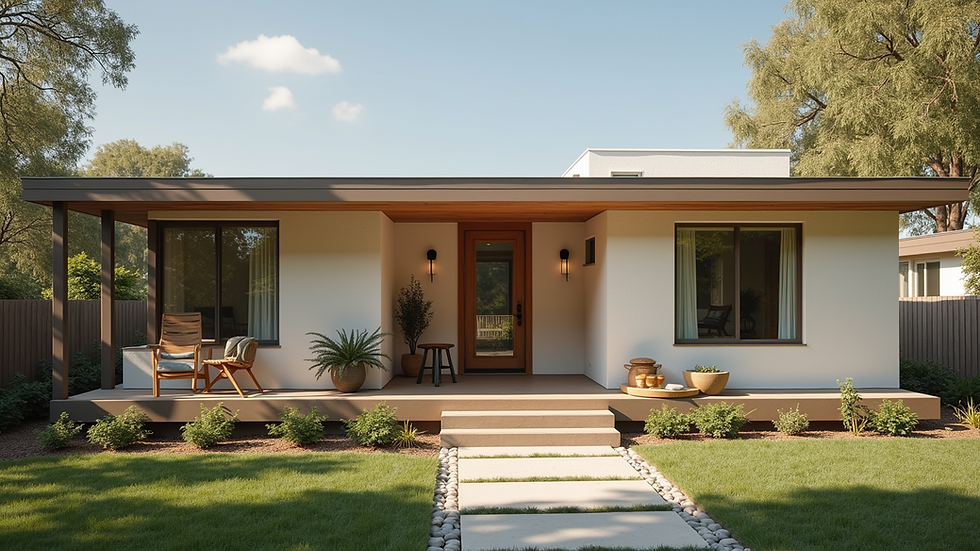
Understanding the Needs of Disabled Veterans
Disabled veterans often face unique challenges that can affect their housing needs. These challenges may include:
Mobility Issues: Many veterans may have difficulty moving around due to physical disabilities.
Mental Health Concerns: Conditions such as PTSD can impact a veteran's ability to live independently.
Financial Constraints: Limited income due to disability can restrict housing options.
Recognizing these needs is the first step in finding appropriate housing solutions.
Types of Housing Solutions
1. Accessible Homes
Accessible homes are designed to accommodate the specific needs of disabled individuals. Features may include:
Ramps instead of stairs
Wider doorways for wheelchair access
Grab bars in bathrooms
Open floor plans to facilitate movement
These homes can be built from the ground up or modified from existing structures. Organizations like Habitat for Humanity often assist in creating accessible homes for veterans.
2. Veterans Affairs Supportive Housing (VASH)
The VASH program combines Housing Choice Voucher (HCV) rental assistance with case management and clinical services. This program is specifically designed for homeless veterans, including those with disabilities. Key benefits include:
Subsidized rent based on income
Support services to help veterans maintain housing stability
Access to healthcare and mental health resources
3. Community-Based Housing
Community-based housing options allow veterans to live independently while still receiving support. This can include:
Group homes where veterans share living spaces and resources
Transitional housing that provides temporary accommodation while veterans seek permanent housing
Supportive housing that offers on-site services to assist with daily living
These options foster a sense of community and provide essential support networks.
4. Home Modifications
For veterans who wish to remain in their current homes, modifications can make a significant difference. Common modifications include:
Installing ramps and lifts
Widening doorways and hallways
Renovating bathrooms to include roll-in showers
Organizations like the Department of Veterans Affairs (VA) offer grants to help cover the costs of these modifications.
Financial Assistance Programs
1. VA Housing Grants
The VA offers several housing grants specifically for disabled veterans, including:
Specially Adapted Housing (SAH) Grant: Helps veterans build or modify homes to meet their needs.
Special Housing Adaptation (SHA) Grant: Assists veterans in adapting an existing home to accommodate disabilities.
These grants can significantly reduce the financial burden of making a home accessible.
2. State and Local Programs
Many states have their own programs to assist disabled veterans with housing. These may include:
Property tax exemptions for disabled veterans
Low-interest loans for home modifications
Rental assistance programs for low-income veterans
Researching local resources can uncover additional support options.
Community Support and Resources
1. Nonprofit Organizations
Numerous nonprofit organizations focus on providing housing solutions for disabled veterans. Some notable examples include:
Homes for Our Troops: Builds and donates specially adapted homes for severely injured veterans.
Operation Homefront: Provides financial assistance and housing support for military families.
These organizations often rely on donations and volunteers, making community involvement crucial.
2. Veteran Service Organizations (VSOs)
VSOs play a vital role in advocating for veterans' rights and providing resources. They can assist with:
Navigating VA benefits
Finding housing options
Connecting with local support services
Examples of VSOs include the American Legion and Veterans of Foreign Wars (VFW).
The Role of Technology in Housing Solutions
Technology is increasingly playing a role in improving housing solutions for disabled veterans. Innovations include:
Smart home technology: Devices that allow veterans to control their environment through voice commands or mobile apps.
Telehealth services: Providing healthcare access from home, reducing the need for travel.
These advancements can enhance the quality of life for disabled veterans and their families.
Success Stories
Case Study 1: A Family's Journey to Accessible Housing
The Johnson family faced significant challenges when their father returned from service with mobility issues. After applying for a SAH grant, they were able to modify their home with ramps and wider doorways. This transformation allowed Mr. Johnson to regain independence and improved the family's overall quality of life.
Case Study 2: Community Support in Action
A local nonprofit partnered with volunteers to build a fully accessible home for a veteran who had lost both legs in combat. The project not only provided the veteran with a safe living space but also fostered community spirit and support.
Conclusion
Finding suitable housing for disabled veterans and their families is a multifaceted challenge that requires a combination of accessible design, financial assistance, and community support. By understanding the unique needs of these individuals and leveraging available resources, we can create a more inclusive environment that honors their sacrifices.
If you or someone you know is a disabled veteran seeking housing solutions, consider reaching out to local organizations, exploring VA benefits, and connecting with community resources. Together, we can make a difference in the lives of those who have served our country.


Comments